Tractor Safety Tips & Operating Guide for Beginners
Safe tractor operation starts with good habits. From daily inspections and loader positioning to PTO safety, slopes, implements, ballast and regular maintenance, this guide covers essential operating advice for new tractor owners in Australia.
Browse UHI TractorsWhat Should a New Tractor Operator Remember?
Inspect the machine before starting, wear your seatbelt, learn the controls, keep loader loads low and make sure implements and PTO equipment are correctly connected before work begins.
For many Australian farms and rural properties, the tractor becomes the centre of everyday work.
From slashing paddocks and moving hay to operating loaders, maintaining driveways and running implements, tractors can perform a wide range of agricultural and property-maintenance jobs.
That versatility also means operators need to understand the machine, attachments and working conditions. Developing good habits from the beginning can improve productivity while helping protect people and equipment.
Start Every Day With a Pre-Operation Inspection
A few minutes spent checking the tractor before work can help identify leaks, loose components or damaged parts before they become bigger problems.
Check Fluids, Tyres and Loader Components
- Engine oil
- Coolant
- Hydraulic oil
- Fuel level
- Tyre condition and inflation
- Wheel nuts
- Front loader pins if fitted
- Hydraulic hoses
Check Implements and Safety Items
- PTO guards
- Lights
- Mirrors
- Safety decals
- Three-point linkage
- Visible leaks or damaged components
Always Wear Your Seatbelt
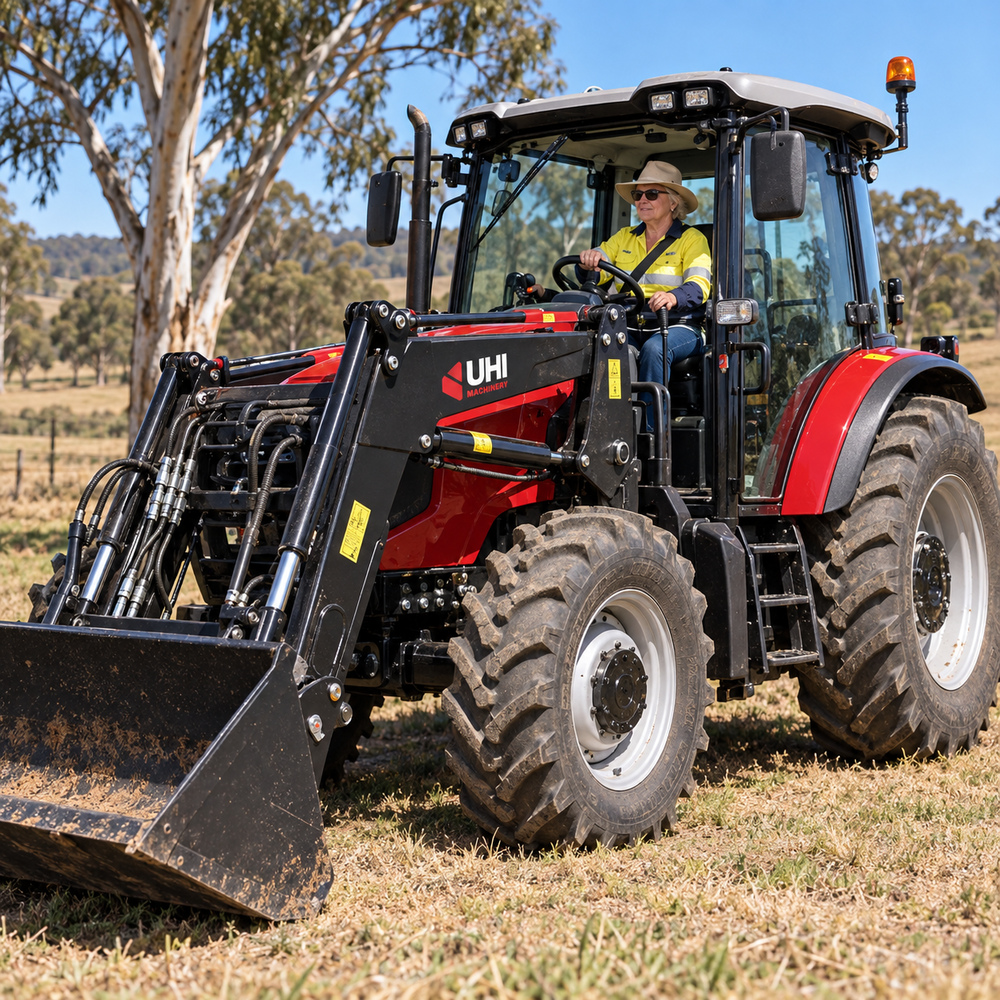
Tractors fitted with a ROPS or enclosed cab are designed to provide a protective zone for the operator in a rollover.
Stay Inside the Protective Zone
A seatbelt helps keep the operator within the protection provided by the cab or rollover protective structure.
Low Speed Does Not Remove Risk
Rollover risk can still exist during slow-speed work, particularly on slopes, uneven ground or when carrying raised loads.
Make It Automatic
Buckle the seatbelt before beginning work rather than waiting until the machine reaches rough terrain.
Understand the Tractor Controls Before Working
Practising in an open paddock before attaching implements can help new operators become familiar with the machine.
Choose the Correct Gear Before Moving
Smooth operation begins with selecting a suitable gear and engine speed for the task.
Select the Gear First
Choose an appropriate gear before beginning the work rather than making constant gear changes under load.
Match Engine Speed to the Task
Use enough engine speed for the implement or job without relying on unnecessary aggressive throttle input.
Avoid Excessive Clutch Slipping
Smooth clutch and transmission operation can help reduce wear and improve fuel efficiency.
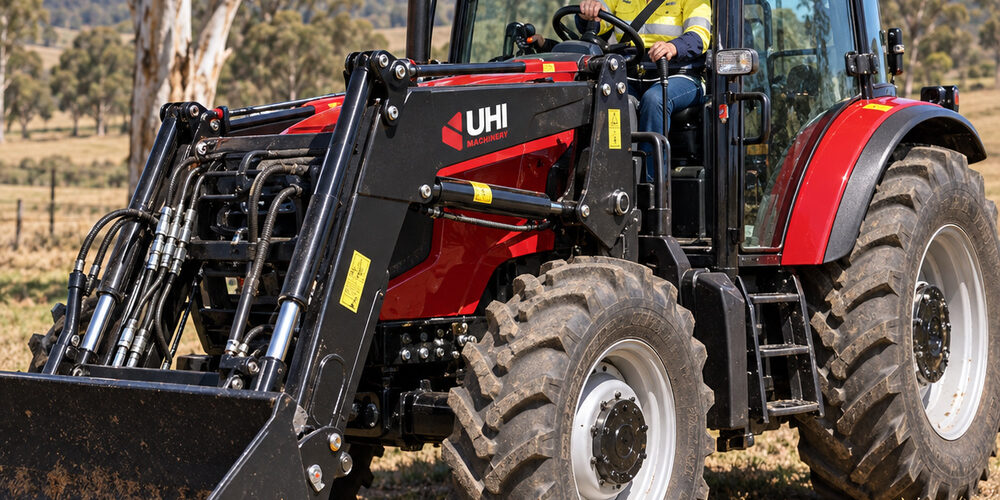
Keep Front Loader Loads Low While Travelling
A raised front loader increases the tractor's centre of gravity and can reduce stability.
Carry the Load Low
- Carry loads as low as practical
- Tilt the bucket slightly backward
- Reduce travel speed
Keep Movements Smooth
- Avoid sudden steering movements
- Do not travel with the loader fully raised unless dumping
- Take additional care on uneven terrain
Be Careful on Slopes
Rolling hills, drainage banks and uneven paddocks require careful planning before work begins.
Travel in a Safer Direction
Travel straight up or down slopes where practical rather than unnecessarily crossing steep side slopes.
Keep Heavy Equipment Low
Keep heavy implements and loader buckets low to help maintain a lower centre of gravity.
Reduce Sudden Movements
Reduce speed before turning and avoid sudden acceleration or braking on uneven terrain.
Attach Tractor Implements Correctly
Many tractors spend more time operating attachments than travelling, so correct installation should be checked before work begins.
Respect PTO Safety
The Power Take-Off is one of the tractor's most useful features, but rotating PTO components require strict operating discipline.
Disengage Before Leaving the Seat
Stop PTO operation before leaving the operator position or approaching the attachment.
Keep Guards in Place
PTO and shaft guards should remain correctly installed while the equipment is being used.
Stop Before Servicing
Shut down the engine and allow rotating components to stop completely before servicing attached equipment.
Keep People Clear of the Tractor
Tractors are generally designed for the operator only unless an approved passenger or instructor seat is specifically fitted.
Do Not Carry Riders on Unsafe Areas
- Mudguards
- Drawbars
- Front loaders
- Implements
- Steps
Check Before Moving
Confirm the area around the tractor is clear of people and animals before starting to travel or operate attachments.
Operate at a Comfortable Speed
Experienced tractor operators generally focus on smooth, consistent work rather than simply trying to move faster.
Improve Fuel Efficiency
Appropriate engine speed and smoother operation can reduce unnecessary fuel use.
Reduce Wear
Controlled operation can reduce unnecessary stress on tyres, driveline components and implements.
Improve Work Quality
Consistent travel and implement speed can help produce better results across field and property-maintenance work.
Understand Tractor Ballast and Stability
Correct ballast can improve traction, stability and front-loader performance.
Common Ballast Options
- Rear ballast boxes
- Wheel weights
- Liquid-filled tyres
- Heavy rear implements
Balance the Tractor for the Task
Suitable ballast can reduce front axle stress and improve machine balance, especially when working with a front-end loader.
Always follow the tractor manufacturer's recommendations for ballast and operating limits.
Perform Regular Tractor Maintenance
Routine maintenance supports reliability, lower operating costs and long-term equipment value.
Grease and Inspect
- Grease loader pins
- Check air filters
- Inspect belts
- Check hydraulic connections
Keep the Tractor Clean and Monitored
- Clean the radiator screen
- Monitor tyre pressure
- Remove mud and debris
- Follow the scheduled maintenance plan
Common Tractor Operating Mistakes to Avoid
Improve Productivity Without Rushing
Small improvements in tractor operation can reduce fuel, maintenance and working time over the life of the machine.
Plan Travel Routes
Reduce unnecessary travel and repeated passes where practical.
Match Engine Speed to the Task
Use suitable engine and implement settings rather than relying on unnecessary speed.
Reduce Idle Time
Minimise unnecessary idling and keep up regular maintenance to support efficient operation.
Safe Tractor Operation Starts With the Operator
A tractor can be one of the most useful machines on an Australian property, but its performance depends heavily on how it is operated and maintained.
New owners can build confidence by inspecting the machine regularly, learning the controls, respecting PTO and implement safety, maintaining a stable loader position and adapting their driving to the terrain.
Whether you are maintaining a hobby farm, managing livestock, preparing paddocks or moving materials around the property, smooth and responsible operation supports better long-term results.
Tractor Operating FAQs for Beginners
Is a tractor difficult for beginners to learn?
Modern tractors often use user-friendly controls and ergonomic layouts. Practising in an open area and becoming familiar with the controls before attaching implements can help new operators build confidence.
Should I always use four-wheel drive?
Four-wheel drive can be useful on soft ground, steeper terrain and during some front-loader work. On firm surfaces or roads, follow the tractor manufacturer's recommendations for engaging or disengaging four-wheel drive.
What is the safest loader height while travelling?
Carry the loader as low as practical with the bucket slightly rolled back. This helps maintain better stability and visibility.
How often should I grease my tractor?
Loader pivot points and other grease fittings should be serviced according to the manufacturer's maintenance schedule. Machines used heavily may require more frequent greasing.
What is a common safety mistake for new tractor owners?
Travelling with a front loader raised too high is a common beginner mistake. Keeping the load low helps maintain a lower centre of gravity and improves stability.
Explore UHI Tractors for Australian Farms and Properties
Compare UHI tractors for farming, acreage, livestock, paddock maintenance and material-handling applications, and speak with the UHI Machinery team about a tractor and attachment setup suited to your work.