10 Common Mistakes New Tractor Operators Make
New tractor owners often develop simple habits that increase wear, reduce productivity or create unnecessary safety risks. This guide explains 10 common beginner mistakes and how better operating habits can help Australian tractor owners work more efficiently.
Browse UHI TractorsWhat Are the Most Common Tractor Operator Mistakes?
Most beginner mistakes come back to five areas: skipping inspections, poor loader positioning, incorrect transmission or drivetrain use, ignoring maintenance and trying to work too quickly.
Buying your first tractor is an important investment, whether you are maintaining acreage, running livestock, managing a hobby farm or starting contracting work.
Modern tractors are easier to operate than older machines, with improved controls, synchronised transmissions and hydraulic systems. That does not mean good operating habits happen automatically.
Fortunately, many beginner mistakes are easy to recognise and correct before they turn into expensive habits.
Start With the Habits That Affect Stability and Machine Wear
Skipping the Daily Walk-Around Inspection
It is easy to start work immediately and overlook a pre-start check, but a short inspection can reveal small problems before they become costly repairs or unexpected downtime.
- Hydraulic leaks
- Loose wheel nuts
- Damaged hoses
- Low engine oil
- Coolant loss
- Tyre damage
- Loose linkage pins
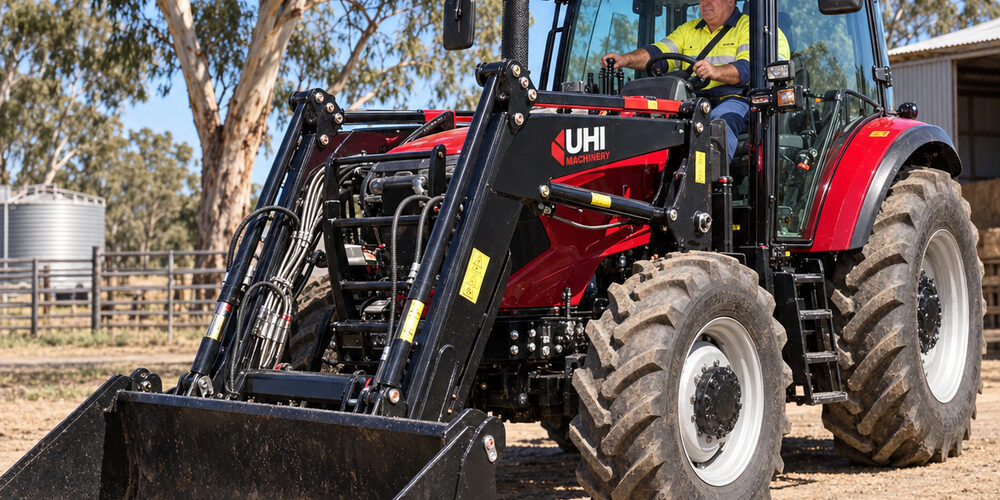
Carrying the Front Loader Too High
Travelling with the bucket unnecessarily raised can increase the tractor's centre of gravity, reduce forward visibility and place more stress on the front axle.
Keep the bucket low and slightly rolled back while travelling, then raise it when approaching the unloading point.
Choosing the Wrong Gear
New operators may shift too frequently or work in a gear that is too high or too low for the job.
Selecting a suitable gear before beginning the task can help the tractor work more efficiently while reducing unnecessary clutch wear.
Forgetting About Ballast
Front-loader work changes the balance of a tractor. Insufficient rear ballast can reduce traction, affect steering and increase stress on the machine.
Depending on the tractor and task, suitable ballast may include:
- Rear implements
- Ballast boxes
- Wheel weights
- Liquid-filled tyres
Driving Too Fast
A tractor is designed around working performance rather than road speed. Moving too quickly across rough ground can increase operator fatigue and place additional stress on tyres, implements and other components.
Avoid Problems With PTO, Tyres, 4WD and Maintenance
Incorrect PTO Operation
PTO-driven equipment is extremely useful, but new operators can create avoidable risk by using it incorrectly.
- Engaging PTO at excessive engine speed
- Operating without safety guards
- Leaving PTO running while dismounting
- Wearing loose clothing near rotating shafts
Ignoring Tyre Pressure
Tyre pressure affects traction, steering, ride quality, fuel use and tyre wear.
Incorrect pressure may contribute to:
- Reduced traction
- Increased tyre wear
- Poor steering performance
- Higher fuel consumption
- Greater soil compaction
Using Four-Wheel Drive Incorrectly
Four-wheel drive can provide additional traction on soft ground and during suitable loader work, but it should not automatically remain engaged in every situation.
Follow the tractor manufacturer's recommendations, particularly when operating on firm roads or hard surfaces.
Forgetting Routine Maintenance
Many expensive repairs begin as small issues that could have been identified through regular servicing.
- Grease loader pivots
- Clean radiator screens
- Inspect air filters
- Check hydraulic oil
- Monitor coolant levels
- Tighten loose hardware
Trying to Work Too Quickly
Productivity does not simply come from speed. Experienced operators usually focus on planning, smooth machine movements and efficient work cycles.
- Select the correct implement
- Plan efficient travel routes
- Maintain steady engine speed
- Avoid unnecessary reversing
- Reduce idle time
- Operate smoothly
Good Tractor Operation Starts From Day One
Confidence grows through experience, but good operating habits are easier to build when they are learned correctly from the beginning.
Understand the Controls
Learn the tractor's transmission, hydraulic functions, loader controls and drivetrain systems before beginning demanding work.
Understand the Implement
Correct attachment setup and operating technique are part of safe, efficient tractor use.
Understand the Maintenance
Know which routine checks, lubrication points and scheduled services are required for the machine.
Why Good Tractor Operating Habits Save Money
Better operation is not only about safety. Smooth machine use can also reduce long-term ownership costs.
Extend Tyre Life
Correct pressure, smoother turns and appropriate speeds can reduce unnecessary tyre wear.
Reduce Fuel Consumption
Efficient travel routes, less idling and steady engine operation can reduce wasted fuel.
Protect Hydraulic Components
Controlled loader and implement operation can reduce unnecessary shock loads on the hydraulic system.
Minimise Clutch Wear
Better gear selection and smoother transmission use can reduce unnecessary clutch slipping.
Reduce Loader Stress
Correct ballast, load positioning and operating speed can help protect the loader and tractor.
Improve Implement Performance
Using the correct implement, gear and operating speed can produce better results with fewer repeated passes.
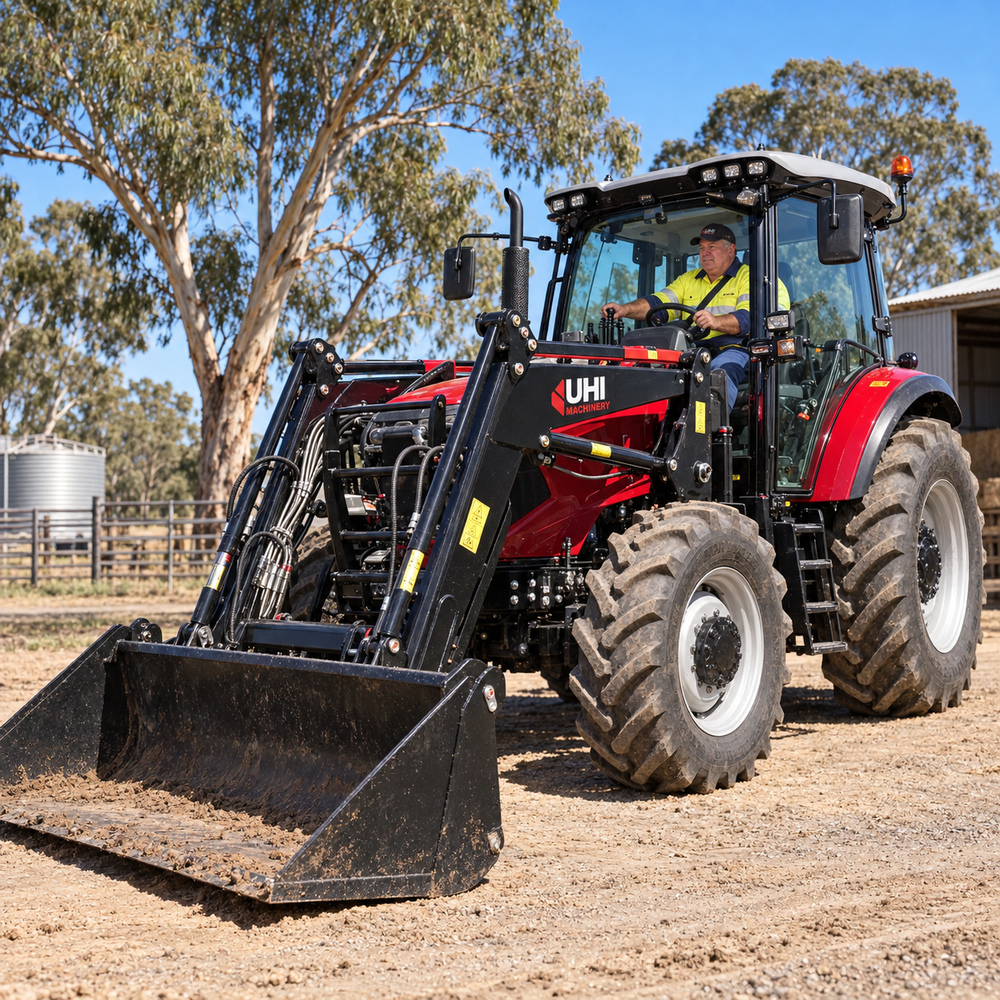
Every Experienced Tractor Operator Started as a Beginner
Becoming a confident tractor operator is less about natural ability and more about learning sound habits early.
Regular inspections, correct loader positioning, suitable ballast, proper PTO use, tyre maintenance and smooth machine operation can all contribute to safer and more productive tractor ownership.
Whether you are maintaining a rural property, managing livestock or operating a commercial farm, understanding the tractor's capabilities and respecting the machine can help deliver dependable performance over the long term.
Common Tractor Operator Mistakes FAQs
What is one of the most common mistakes new tractor owners make?
Travelling with a raised front-end loader is a common beginner mistake. Keeping the loader low helps improve stability and forward visibility.
Should I inspect my tractor every day?
A quick walk-around before work can help identify leaks, loose components, tyre damage and other issues before they become larger problems.
Is four-wheel drive always necessary?
No. Four-wheel drive is particularly useful in some soft-ground, slope and loader applications. Follow the manufacturer's guidance for use on firm surfaces and roads.
Why is tractor ballast important?
Suitable ballast can improve traction and machine balance during front-loader work while helping reduce unnecessary stress on the front of the tractor.
How can I become a better tractor operator?
Practise smooth operation, understand the machine and implements, complete routine inspections and maintenance, and avoid rushing the work.
Explore UHI Tractors for Australian Farms and Properties
Compare UHI tractors for farming, acreage, livestock and property maintenance applications, and speak with the UHI Machinery team about a tractor and attachment setup that suits your work.