Wheel Loader vs Skid Steer Loader: Which Machine Fits the Job?
Wheel loaders and skid steer loaders can both handle material, attachments and site work, but they suit different environments. Compare access, ground conditions, load capacity, travel distance, attachments, operator comfort and cost before choosing.
Wheel Loader vs Skid Steer Loader
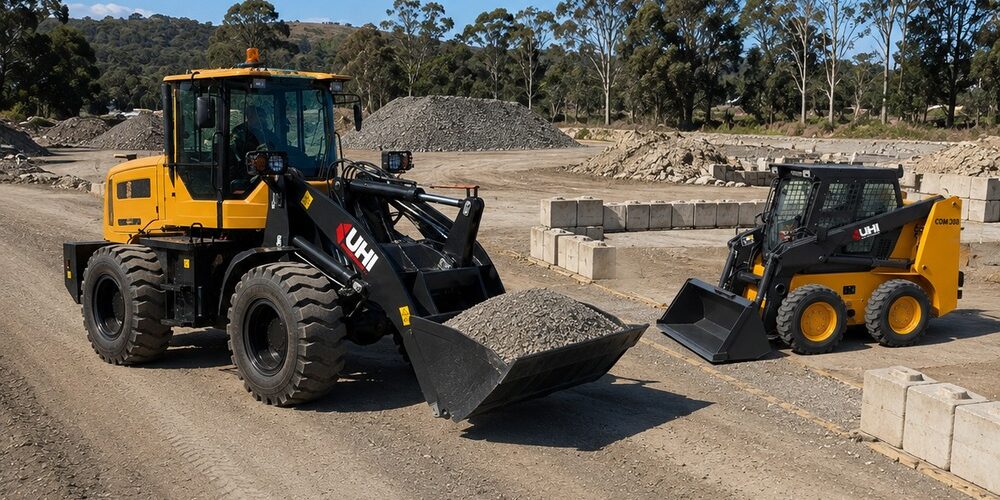
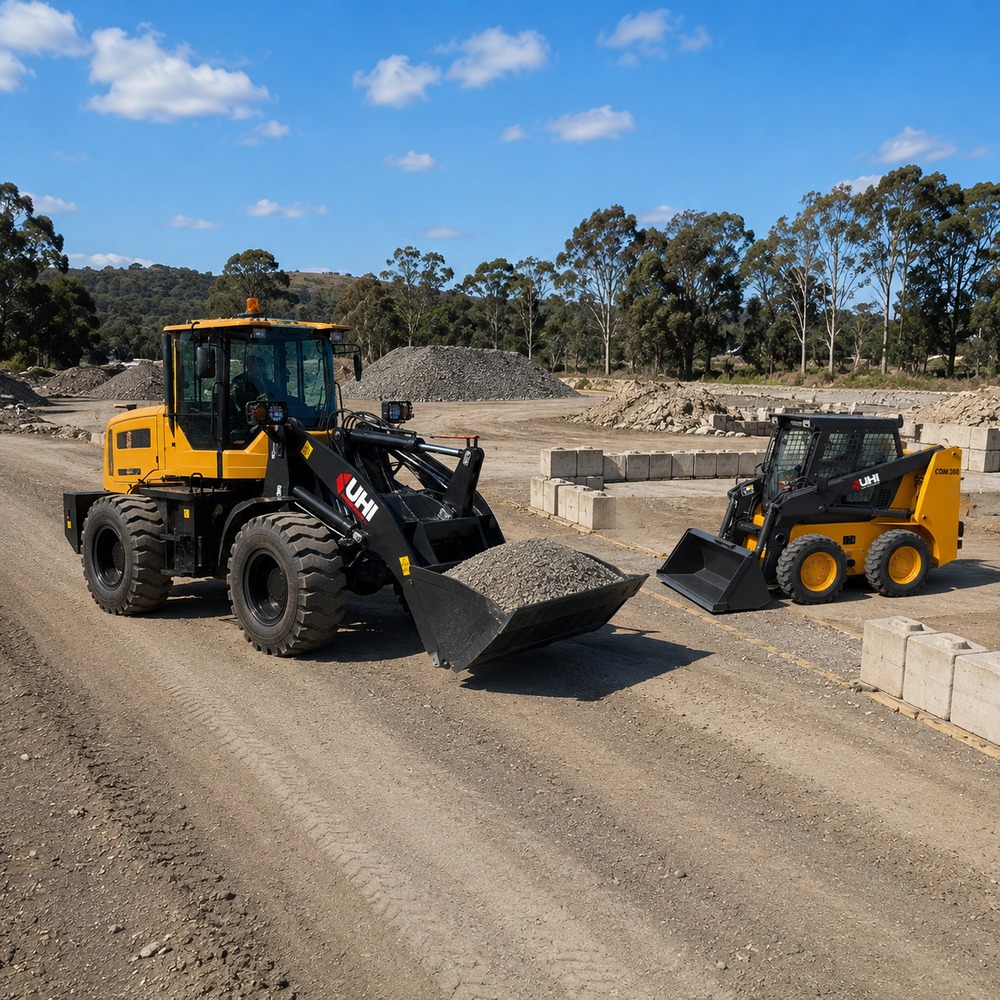
A skid steer generally has the advantage in tight spaces, while a wheel loader becomes more attractive when the site is open, travel is part of the loading cycle and material needs to keep moving.
| Feature | Wheel Loader | Skid Steer Loader |
|---|---|---|
| Turning | Articulated steering with a smooth turning path | Can turn within a very compact footprint |
| Best Working Space | Open yards and larger work areas | Confined or congested sites |
| Load Capacity | Generally better suited to heavier loads | Trades some capacity for compact dimensions |
| Travel | Well suited to longer load-and-carry cycles | Better suited to shorter movements in tight areas |
| Surface Impact | Articulated steering may reduce tyre scuffing | Skid steering can disturb some finished surfaces |
| Operator Space | Typically offers a larger cab | More compact operator environment |
| Best Fit | Loading, stockpiling and open-site material movement | Tight-access work and compact-site applications |
The first question is not which machine is more powerful. It is how much room the machine has to work.
A skid steer can turn within a very compact footprint, which gives it a practical advantage when every metre counts. A compact wheel loader requires more turning space, although articulated steering provides a smoother and more predictable turning path.
Once the work moves into a larger open area, carrying capacity, travel efficiency and the amount of material moved per cycle become more important.
Which Machine Performs Better for Your Job?
Neither machine wins every category. The better option changes with access, terrain, workload and travel distance.
How Much Space Is Available?
If access is narrow or the work area is crowded with obstacles, measure the available space before comparing engine specifications.
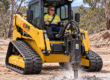
A skid steer is particularly useful where turning room is limited. Compact wheel loaders can still work effectively in restricted areas, but they require additional room to change direction.
Explore UHI Skid Steers →Consider the Ground Conditions
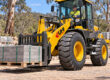
Wheel loaders are well suited to hard, reasonably level ground. Their tyres and articulated steering support smooth travel through broad work areas.
Because an articulated loader changes direction without skidding the tyres in the same way as a skid steer, it may also reduce tyre scuffing on suitable finished surfaces.
Ground conditions should always be considered together with tyre choice, machine configuration and the type of work being performed.
Match the Machine to the Load
For work focused heavily on loading and carrying, a compact wheel loader can offer practical advantages.
Wheel loaders are generally better suited to higher-volume material handling, while skid steers trade some capacity for a smaller footprint and tighter turning ability.
Explore UHI Wheel Loaders →Travel Time Can Change the Answer
The benefits of a wheel loader become more noticeable when material must travel repeatedly across an open site.
Greater carrying capability and efficient site travel can reduce the time between the loading point and unloading point over a full shift.
Be Realistic About How Often You Change Attachments
Attachment versatility matters, but the most important question is which attachment will actually remain on the machine most of the week.
GP Bucket
Suited to regular loading, stockpiling and general loose-material handling.
4-in-1 Bucket
Adds grabbing, pushing and levelling functions for more varied loading and site work.
Forks
Useful where pallet, material or suitable load handling forms part of the regular workload.
Comfort and Visibility Still Matter
A machine can look excellent on a specification sheet and still become uncomfortable after several hours of operation.
Wheel Loader
Wheel loaders generally provide a larger operator environment and a higher operating position, which can help with visibility across open loading areas.
Skid Steer Loader
A skid steer uses a more compact overall design, supporting tight-access work while maintaining a smaller machine footprint.
If the machine will operate for long shifts, spend enough time in the seat to assess visibility, control layout, comfort, access and overall operator environment before buying.
Cost Means More Than the Purchase Price
Compare both machines on the complete ownership picture rather than only the invoice price.
Costs to Compare
- Purchase price
- Fuel consumption
- Routine servicing
- Maintenance
- Tyre wear
- Attachment costs
- Expected utilisation
- Potential downtime
Think About Productivity Too
A skid steer may suit a business that values compact dimensions and tight access, while a wheel loader may provide greater value where higher-volume material handling and regular site travel form the core workload.
The lower purchase price is not automatically the lower-cost option if the machine takes longer to complete the required work.
Which One Should You Choose?
Start with the site, then work through the loading cycle, attachments, travel requirements and operator needs.
Tight Access Is the Priority
- Access is narrow
- Turning room is limited
- The site is congested
- A compact footprint is essential
- Short-distance material handling is common
- You regularly work around buildings or obstacles
Loading and Travel Are the Priority
- The work area is open
- The surface is reasonably firm
- Travel forms part of each loading cycle
- Higher-volume material movement is important
- Bucket and fork work forms the core workload
- Longer load-and-carry cycles are common
Compare UHI Wheel Loaders
Explore the UHI wheel loader range for material handling, construction, agriculture, landscaping and business applications.
View Wheel Loaders →Compare UHI Skid Steer Loaders
Explore skid steer options for tight-access work, loading, earthmoving and attachment-based applications.
View Skid Steers →Wheel Loader vs Skid Steer Loader: There Is No Universal Winner
The better machine is the one that fits the job site and completes your most common work efficiently.
A skid steer deserves closer attention where space is limited and tight turning is essential. A wheel loader becomes the stronger candidate where the work area is open, the ground is suitable and material needs to travel repeatedly across the site.
Before making a decision, compare actual machine dimensions, load requirements, site conditions, attachment compatibility, operator comfort and total ownership costs.
Need Help Choosing Between a Wheel Loader and Skid Steer?
Tell the UHI Machinery team about your site access, ground conditions, material, loading cycle and attachment requirements. We can help you compare wheel loader and skid steer options for your job.