What Tractor Horsepower Do I Need?
How much tractor horsepower do you actually need for your Australian property? Compare engine HP, PTO horsepower, acreage, everyday tasks, attachments and soil conditions to choose a tractor that matches your real workload.
Browse UHI TractorsHow Much Tractor Horsepower Do You Need?
Property size is a useful starting point, but horsepower should also reflect your terrain, implements and the hardest job your tractor will perform regularly.
| Horsepower Range | Property Size | Typical Applications |
|---|---|---|
| 25–45 HP | 1–10 acres | Acreage, hobby farms, landscaping, slashing and everyday property maintenance |
| 45–65 HP | 10–20 acres | Mixed farming, larger implements, heavier loader work and regular agricultural use |
| 75+ HP | 20+ acres | Commercial farming, demanding field work, larger implements and higher-output applications |
Horsepower is one of the first specifications buyers compare when choosing a compact utility tractor, but more horsepower does not automatically mean a better machine for your property.
An underpowered tractor may struggle with routine work and place additional strain on the machine. On the other hand, an oversized tractor can increase your purchase price, fuel use and ownership costs without providing useful benefits for your normal workload.
The goal is to choose enough horsepower to comfortably complete your toughest regular task without paying for excessive unused capacity.
Engine Horsepower vs PTO Horsepower
Tractor specification sheets often show more than one horsepower figure. Understanding the difference is especially important when choosing powered implements.
Engine Horsepower
Engine horsepower is the total gross power produced by the tractor's engine.
This power supports the wheels, hydraulic pumps and other onboard systems.
Power Take-Off Horsepower
PTO horsepower is the power available to operate compatible implements connected to the tractor's PTO.
This is particularly important for equipment such as slashers, rotary hoes and other powered implements.
Choosing Horsepower Based on Property Size
Acreage gives you a useful starting point, but two properties of the same size can require very different tractors depending on the work, terrain and implements involved.
1–10 Acres
A compact tractor in this range may suit smaller acreage and hobby farms where daily work is relatively light to moderate.
- Property maintenance
- Light to medium slashing
- Landscaping
- Light loader work
- Small-scale cultivation
10–20 Acres
This range may suit mixed-use properties where the tractor handles heavier implements and more regular agricultural work.
- Mixed farming
- Heavier loader applications
- Larger implements
- Regular slashing
- More demanding cultivation
20+ Acres
Larger tractors are generally more appropriate where higher-output farming work and larger implements are part of the regular workload.
- Commercial farming
- Large-scale field work
- Larger PTO implements
- Higher-capacity loader applications
- Demanding agricultural work
Match Tractor Horsepower to Everyday Jobs
The same acreage can require very different horsepower depending on what the tractor actually needs to do.
Mowing & Slashing
Tilling & Cultivation
Loader Work
Hay Operations
Match Tractor Horsepower to Your Attachments
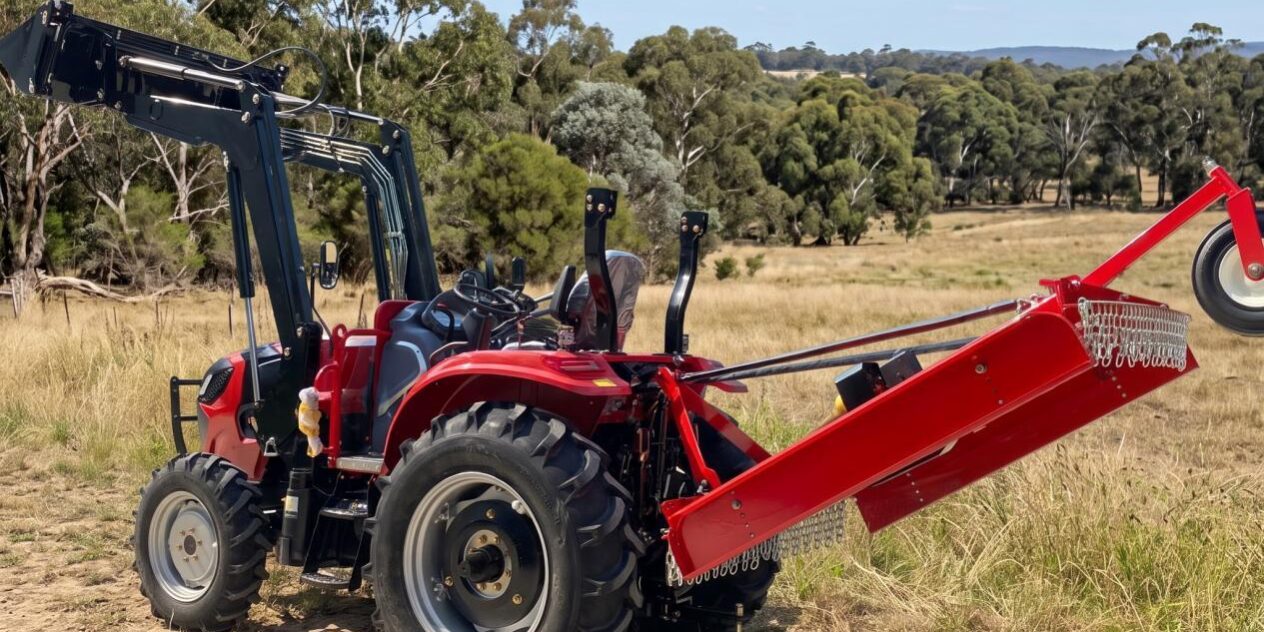
If you already own implements—or know which ones you plan to buy—their PTO requirements can provide one of the clearest ways to determine your tractor horsepower needs.
| Implement Type | Typical PTO HP Requirement | What to Consider |
|---|---|---|
| Rotary Slashers & Mowers | 15–30 PTO HP | Requirement varies with cutting width and material density |
| Tillers | 20–40 PTO HP | Requirement depends on tiller size and soil conditions |
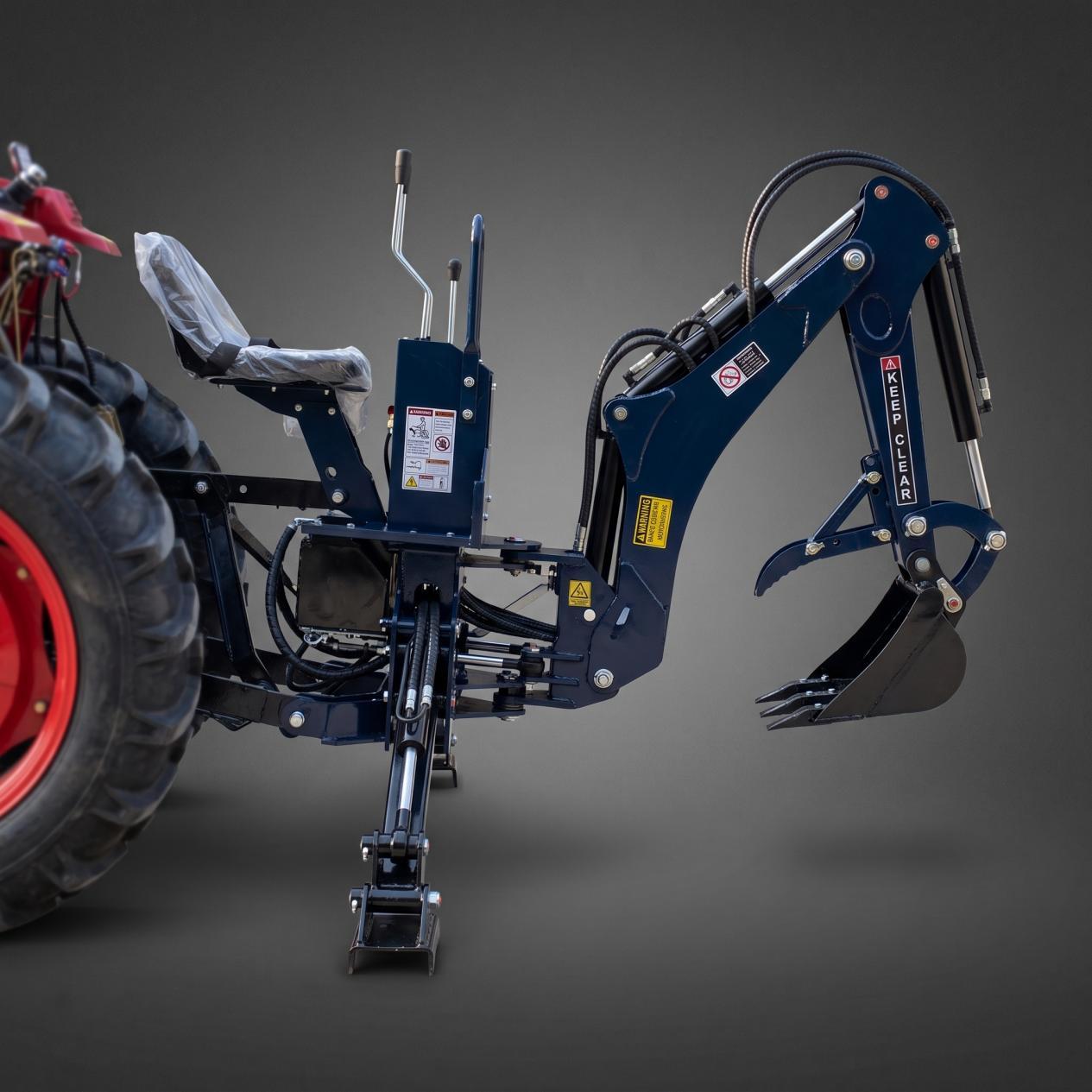
| Blades, Spreaders & Post-Hole Diggers | 20–30 PTO HP | Many compact and mid-range tractors can handle suitable models |
How Soil Type Affects Tractor Horsepower
Soil conditions can change how hard a tractor has to work, particularly when using ground-engaging implements.
Heavy Clay Soil
Dense clay soils may require additional horsepower, good ballast and strong low-end torque, especially for cultivation and other ground-engaging work.
Sandy or Loamy Soil
Softer and less resistant soils may allow compact or mid-range tractors to complete similar tasks with less power demand.
Bigger Horsepower Isn't Always Better
More horsepower can be useful when your work demands it, but choosing an unnecessarily large tractor can create additional costs and make everyday property work less convenient.
Higher Ownership Costs
A larger tractor generally requires a higher upfront investment and may consume more fuel while also increasing servicing and ownership costs.
Reduced Manoeuvrability
Larger machines can have wider turning circles and larger overall dimensions, which may be inconvenient around tight gates, sheds, buildings or orchard rows.
5 Things to Consider Before Choosing Horsepower
Use these factors together rather than choosing a tractor based on one specification alone.
Choose Horsepower for Your Land, Tasks and Budget
Choosing tractor horsepower is about matching the machine to your property and workload—not chasing the biggest number on the specification sheet.
Start with your acreage, then consider the task that requires the most power. Check the PTO requirement of the implements you plan to use and factor in terrain and soil conditions.
UHI offers tractors across a range of horsepower levels for Australian properties and farming applications. Compare machine specifications, transmission, hydraulics, attachment compatibility and overall size before making your final decision.
Not Sure How Much Tractor Horsepower You Need?
Tell the UHI team about your property size, terrain, regular tasks and planned attachments. We can help you compare tractor options and choose a machine that better matches your workload and budget.